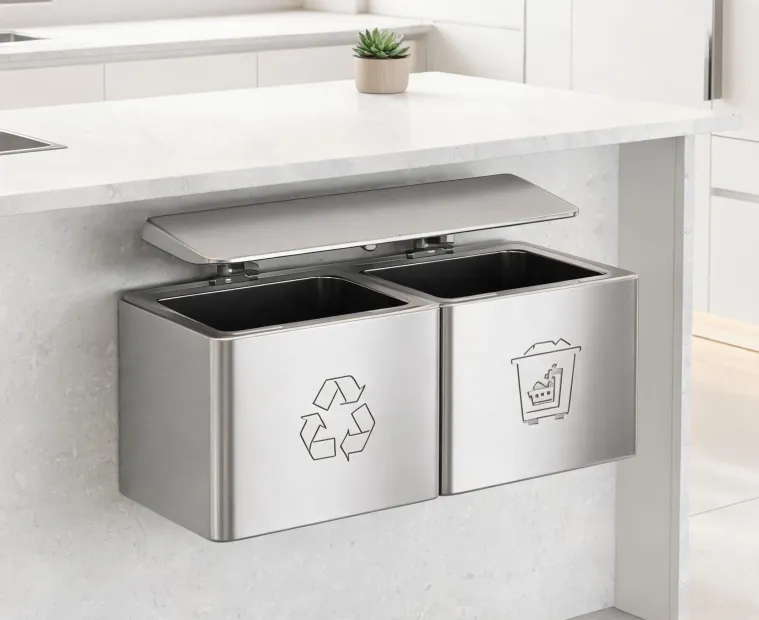
58L Dual Compartment
One cabinet-level decision for trash and recycling.
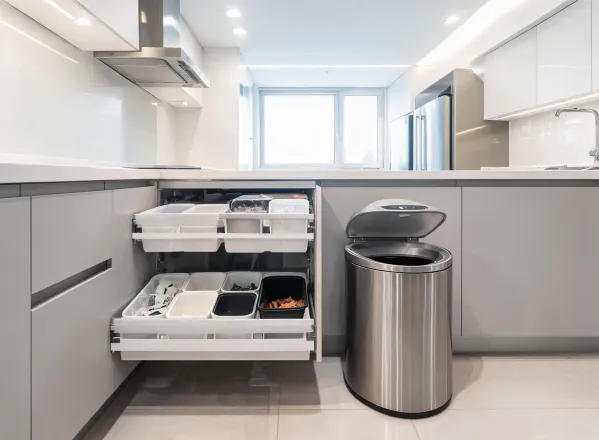
The split bucket keeps sorting visible, the sensor lid keeps contact low, and the custom-fit liners keep the bag hidden from the room.
Tools for efficient living
Simplehuman designs sensor cans, step cans, liners, organizers, and cleaning tools around the motions people repeat every day.
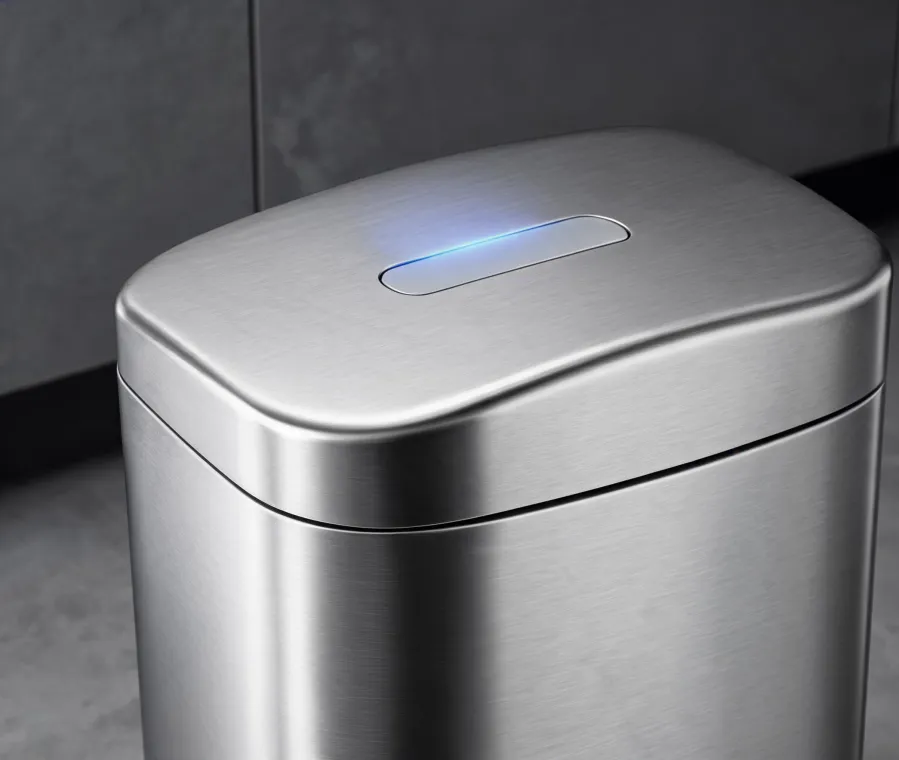
Featured system
The split bucket keeps sorting visible, the sensor lid keeps contact low, and the custom-fit liners keep the bag hidden from the room.
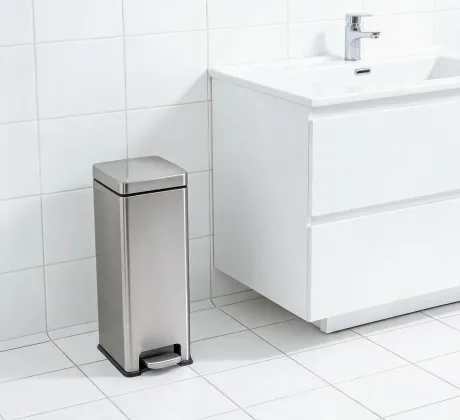
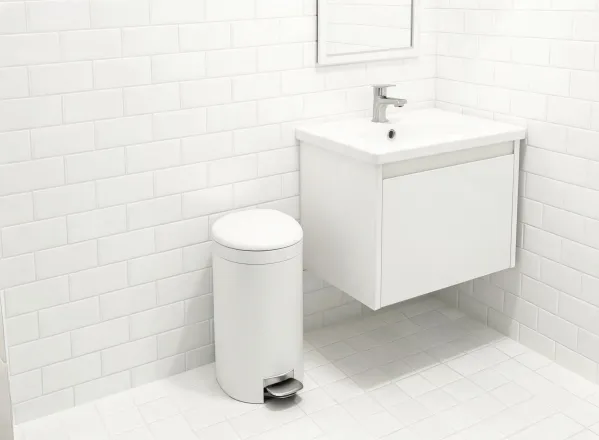
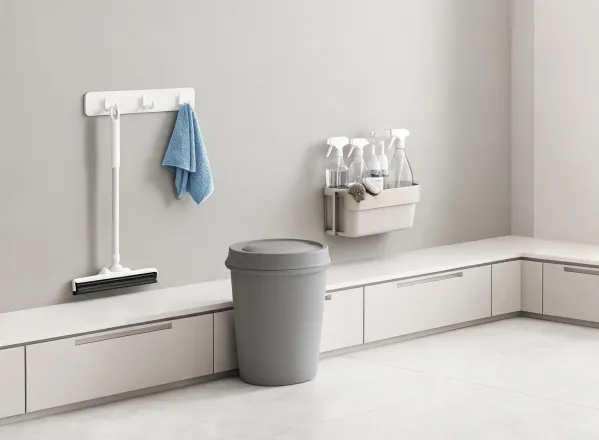
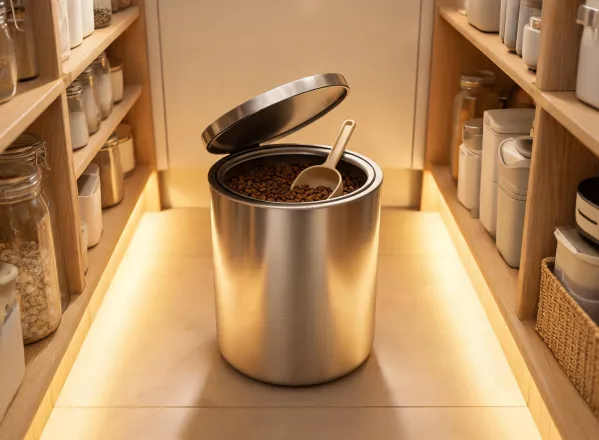
Profiled for tight bath, laundry, and pantry corners.
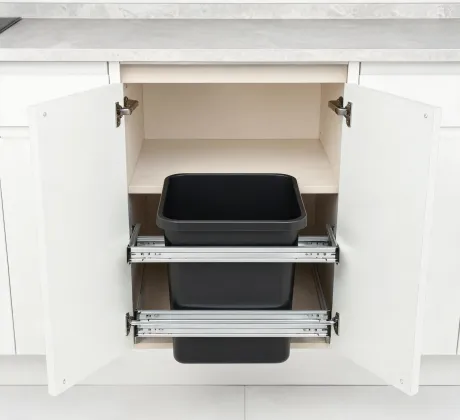
Cabinet rails bring waste sorting into a clean reach zone.
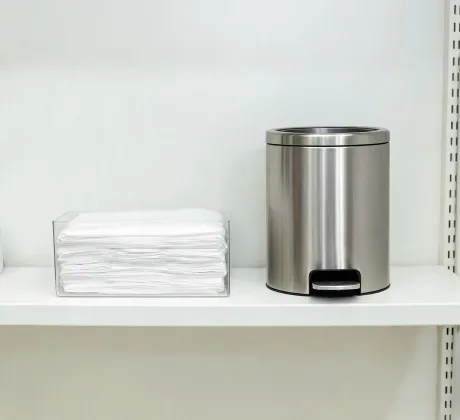
Codes, seams, and drawstrings matched to the exact can.
Shop by routine
Questions people ask before replacing a bin
Design timeline
Simplehuman's story is less about adding features and more about removing friction from daily rooms.
Early designs focused on better step cans, stronger pedals, and lids that closed with control.
Code-matched liners and cleaner bucket geometry made maintenance feel planned instead of improvised.
Touch-free opening, quieter motors, and smarter power behavior turned a kitchen can into a daily-use appliance.
Waste, cleaning, dish care, and storage products now share a single design vocabulary for modern homes.
Ready for better daily motion?