Waste tools get redesigned
The first focus was the household can, but the question was broader: how can a daily object feel cleaner, stronger, and more deliberate without asking the user to think about it?
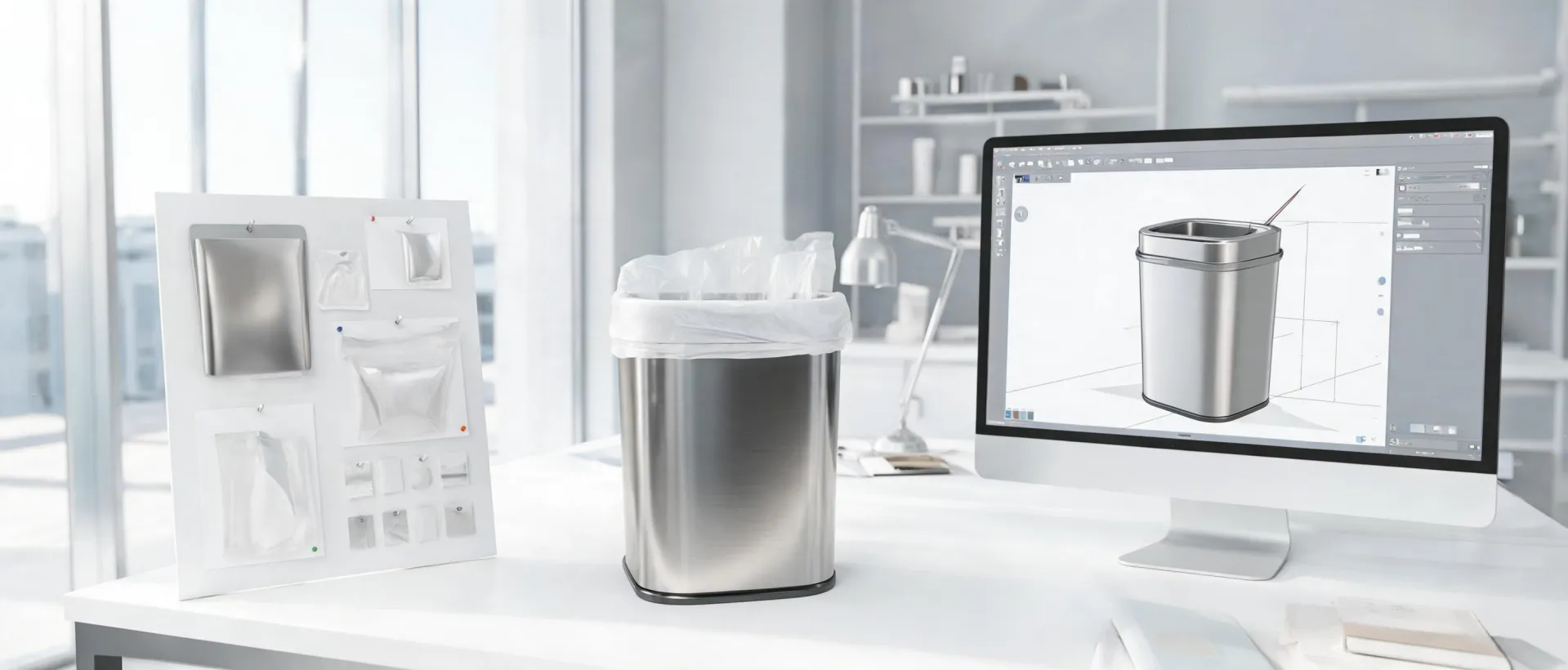
About Simplehuman
We design tools for efficient living: quiet lids, precise liners, compact organizers, and cleaning products that earn their place in visible rooms.
Company story
Simplehuman's design work is grounded in small but constant frictions: a bag slipping below the rim, a lid closing too loudly, a cabinet bin that is hard to reach, or a dish rack that leaves water where it should not.
The first focus was the household can, but the question was broader: how can a daily object feel cleaner, stronger, and more deliberate without asking the user to think about it?
Custom-fit liners made the inside of the can as considered as the outside. That detail changed how people judged the value of a bin they used multiple times every day.
Sensor technology became useful when it worked quietly, opened at the right moment, and respected the pace of cooking, cleaning, and clearing plates.
The line now connects waste, dish care, storage, and cleaning around one idea: every surface should be easier to maintain after the product arrives.
Pedals, lids, rails, handles, buckets, and liner rims are treated as the product's interface, not as hardware added after the form is drawn.
The goal is not to decorate clutter. A better can or organizer makes the messy part of a room simpler to cover, move, empty, and restock.
Modern design is valuable when it stays calm under daily use. Finishes, proportions, and labels are kept quiet so the object can live in the room.
Design teams
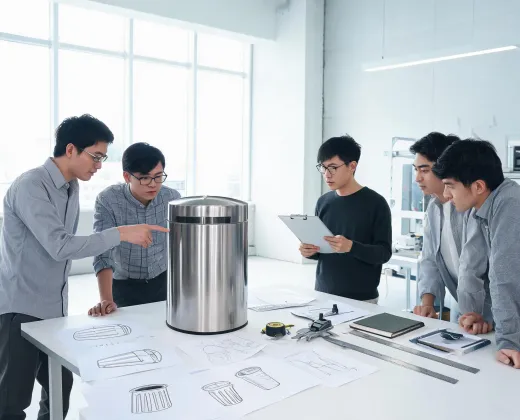
Shapes the visible product language and the way each item sits in kitchens, baths, offices, and utility rooms.
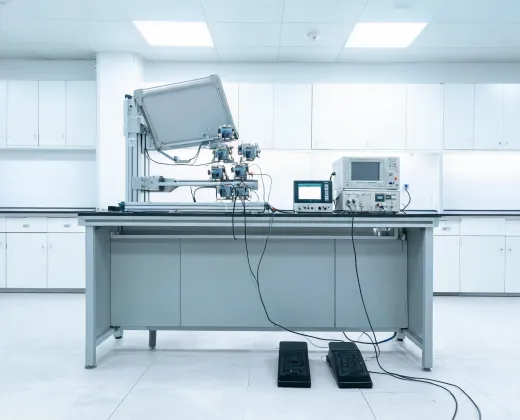
Checks opening cycles, pedal stability, rail behavior, bucket lift, and quiet-close feel across repeated use conditions.
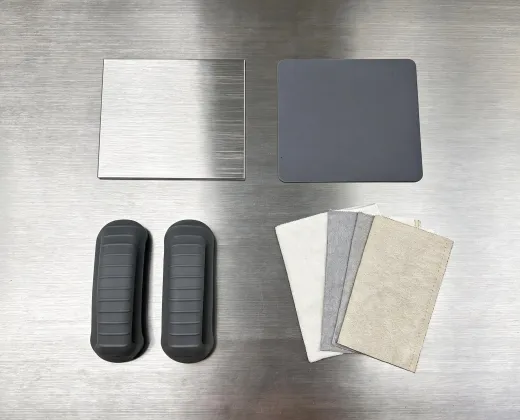
Reviews finishes, liner tolerances, edge details, and surfaces that need to stay easy to clean.
Talk to the team